

Omnichannel: The Gold Standard of Modern Marketing
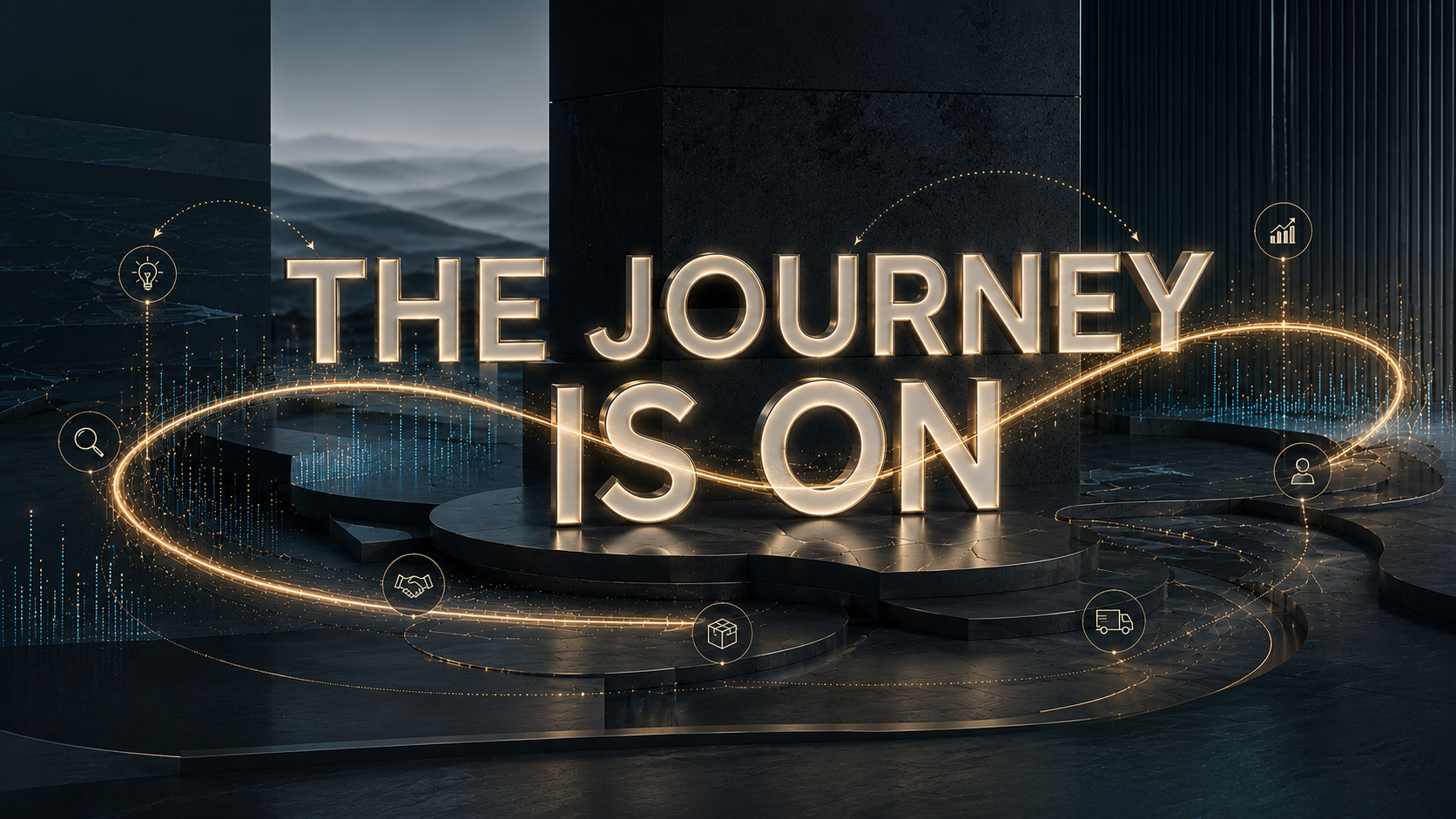
Omnichannel marketing, creating connected customer journeys.
“Omnichannel isn’t just about being everywhere—it’s about being connected everywhere.”
1. The Shift: From Channel-Centric to Customer-Centric
For years, brands have managed marketing by channel—email, paid social, events, SMS, web, print—each with its own strategy, tools, and teams. The result: fragmented customer experiences.
Omnichannel changes that.
It replaces the question “What should we send on this channel?” with “What should the customer experience next?”
Omnichannel marketing is built on a single principle:
Every touchpoint should work together to move the customer seamlessly through their journey.
2. Journey Mapping: Seeing the Whole Path
Omnichannel begins with customer journey mapping—understanding the full end-to-end experience from awareness to advocacy.
This means tracing how real customers:
Discover your brand across channels
Move between digital and in-person experiences
Research, compare, buy, and stay engaged
By mapping these paths, marketers identify the moments that matter most—and where inconsistency or silence breaks trust.
With AI and data integration, journey mapping evolves from a static exercise into a dynamic feedback system—continuously updated as customer behavior shifts.
“Every journey is unique. Omnichannel ensures every one feels intentional.”
3. Integration: One Message, Many Touchpoints
True omnichannel requires connecting every platform—CRM, advertising, email, web, social, SMS, commerce—into a unified experience layer.
That means:
Consistent messaging: The same core idea expressed natively in each channel’s format.
Shared data: Every system knows what happened in the last interaction.
Real-time adaptation: Campaigns adjust based on engagement across touchpoints.
When channels work together, customers don’t see “marketing”—they see momentum.
4. Personalization: The Engine of Engagement
Omnichannel isn’t mass marketing—it’s precision at scale.
By linking behavioral, transactional, and contextual data, brands can personalize every message, offer, and experience in real time.
Examples:
A customer who clicks an ad for “smart siding” sees matching email content and a follow-up demo invite.
A contractor who purchases certain products triggers educational content on complementary tools.
A healthcare provider who attends a webinar receives a custom nurture path based on their specialty.
Personalization makes omnichannel feel human—and that’s what builds connection.
5. Growth Marketing in Motion
Omnichannel isn’t just about brand consistency—it’s a growth framework.
With integrated systems, marketers can:
Test creative and offers across every channel simultaneously
See how one action (an ad click) impacts another (in-store visit)
Reinvest in the sequences that drive the highest lifetime value
This creates data-driven agility—campaigns that evolve automatically toward what works best.
“In omnichannel systems, every signal feeds the next opportunity.”
6. Building Long-Term Customer Value
Unlike single or multi-channel marketing, omnichannel builds relationships, not transactions.
Single-channel = one message, one touchpoint.
Multi-channel = many touchpoints, managed separately.
Omnichannel = all touchpoints, working together through a single customer lens.
That’s the difference between selling products and building trust ecosystems. Customers who experience consistent, contextual messaging across channels buy more often, stay longer, and advocate louder.
7. The Future: Adaptive Experience Systems
The next evolution of omnichannel is intelligent orchestration—where AI automates journey design and channel activation in real-time.
Future omnichannel systems will:
Predict the best next channel and message for every individual
Adjust spend and creative dynamically
Learn continuously from results across millions of interactions
This isn’t theory—it’s already happening.
Omnichannel is the gold standard because it’s the foundation for self-optimizing, customer-led growth systems.
We don’t run campaigns. We engineer growth systems. Explore the METIS Growth Framework.