

The Evolution of Loyalty: From Rewards to Belonging
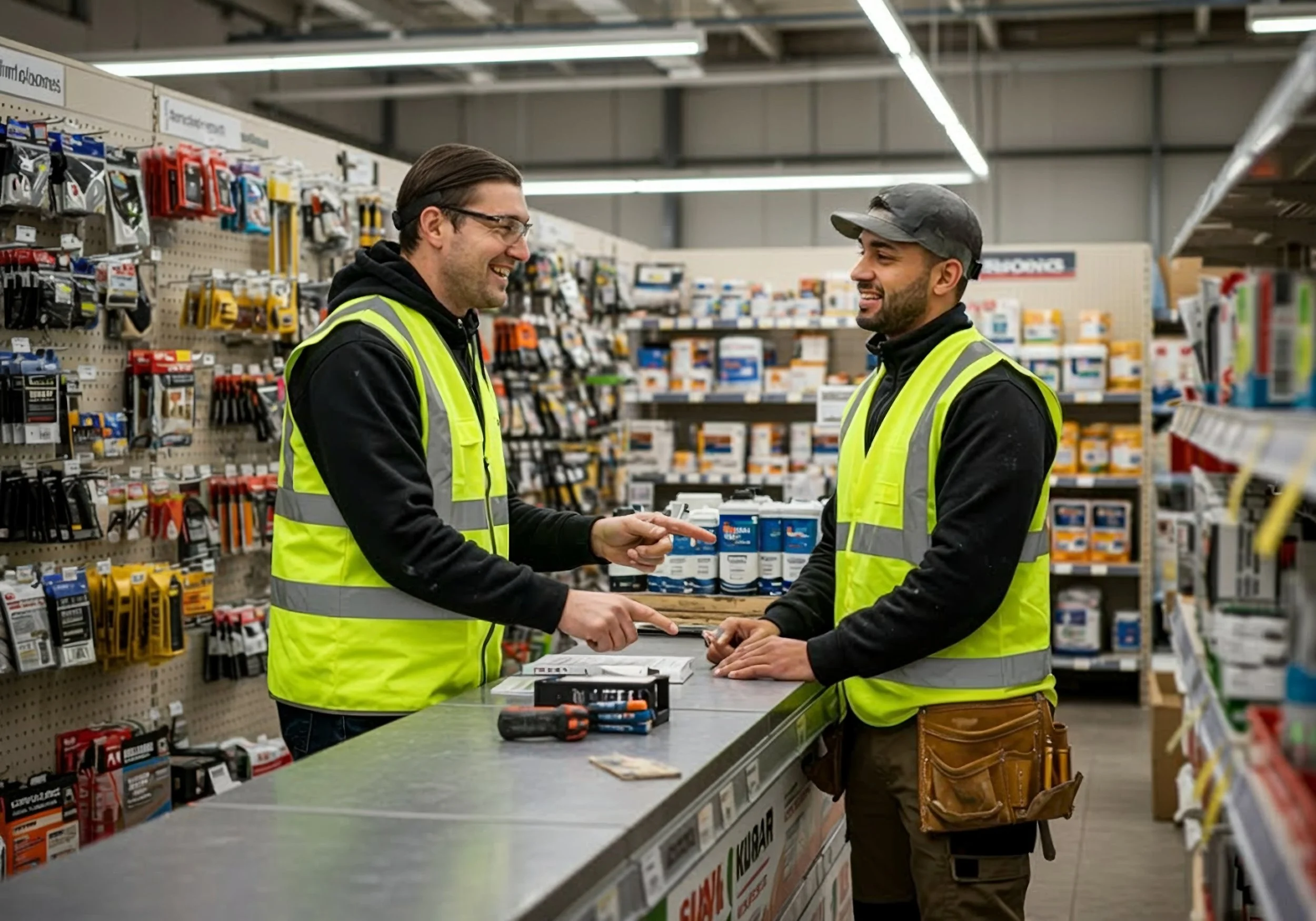
Using loyalty programs to build long-term brand lifetime value.
Why Modern Loyalty Programs Are Built on Trust, Identity, and Emotional Connection.
“True loyalty isn’t earned with discounts. It’s earned with meaning.”
01
The Old Model: Transactional Loyalty.
Traditional loyalty programs were built on incentives:
Points for purchases
Discounts for repeat behavior
Rewards for volume
They worked — for a while.
But transactional loyalty is fragile.
The moment a competitor offers a better price or promotion, loyalty disappears.
In today’s market, customers don’t stay loyal because it’s cheaper.
They stay loyal because it feels right.
02
The Shift: From Transactions to Emotional Loyalty.
Modern loyalty has evolved beyond rewards into relationships.
Emotional loyalty is built when customers:
Believe in what a brand stands for
Feel recognized, understood, and supported
Trust the experience across every interaction
See themselves reflected in the brand
This shift transforms loyalty from a marketing tactic into a brand system.
“Discounts buy behavior. Belonging builds commitment.”
03
Giving Customers a Reason to Believe.
At the core of emotional loyalty is belief.
Belief is created when brands consistently deliver:
Clear values and purpose
Reliability and transparency
Expertise and authority
A sense of partnership
Loyalty programs now reinforce why a brand exists — not just what it sells.
For B2B and B2B2C brands, this belief often centers on:
Helping professionals succeed in their work
Supporting growth, education, and mastery
Standing behind products and people
04
Giving Customers a Reason to Belong.
The strongest loyalty programs make customers feel like members, not buyers.
Modern loyalty programs often include:
Tiered communities instead of point tiers
Access to exclusive content, tools, or education
Recognition for expertise and advocacy
Invitations to events, training, or advisory groups
Early access to products or innovations
On-site product support
Belonging turns customers into insiders — and insiders into advocates.
05
What Modern Loyalty Programs Look Like.
Today’s loyalty programs are less about prizes and more about experience.
They are:
Personalized: driven by behavior, engagement, and lifecycle stage
Omnichannel: consistent across digital, service, and sales touchpoints
Value-based: rewarding participation, education, and advocacy — not just purchases
Data-driven: evolving as customer needs and signals change
Loyalty becomes a living system—continuously learning and deepening relationships over time.
“The best loyalty programs don’t feel like programs at all.”
06
Loyalty in B2B and B2B2C: A Strategic Advantage.
In B2B and B2B2C environments, loyalty is even more powerful.
Professional customers don’t just buy — they:
Specify products
Recommend brands
Influence end consumers
Return repeatedly over long careers
Effective B2B loyalty programs focus on:
Education and certification
Tools that make work easier
Recognition of expertise and tenure
Access to support and innovation
Long-term partnership, not short-term incentives
When loyalty is emotional, it survives pricing pressure, competition, and market shifts.
07
The Future of Loyalty: Identity, Community, and Experience.
The next generation of loyalty programs will be:
Identity-driven
Community-powered
Experience-led
Integrated across the full customer lifecycle
They won’t ask, “How do we reward customers?”
They’ll ask, “How do we earn commitment?”
That’s the future of loyalty — and the brands that embrace it will build relationships that last.
We don’t run campaigns. We engineer growth systems. Explore the METIS Growth Framework.
The Signal
Better growth decisions start with better intelligence.
Catch the Signal for practical thinking on Growth Intelligence, professional markets, connected data, AI, go-to-market strategy, and what is changing next.
Catch the Signal. Stay ahead of the noise.